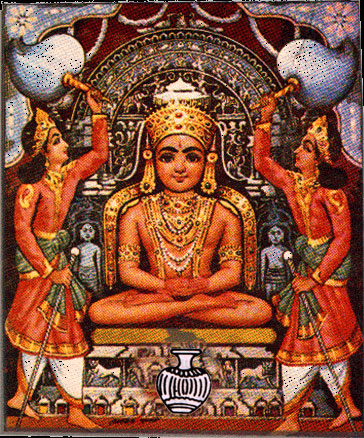
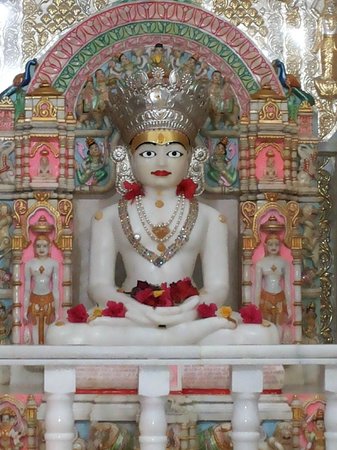
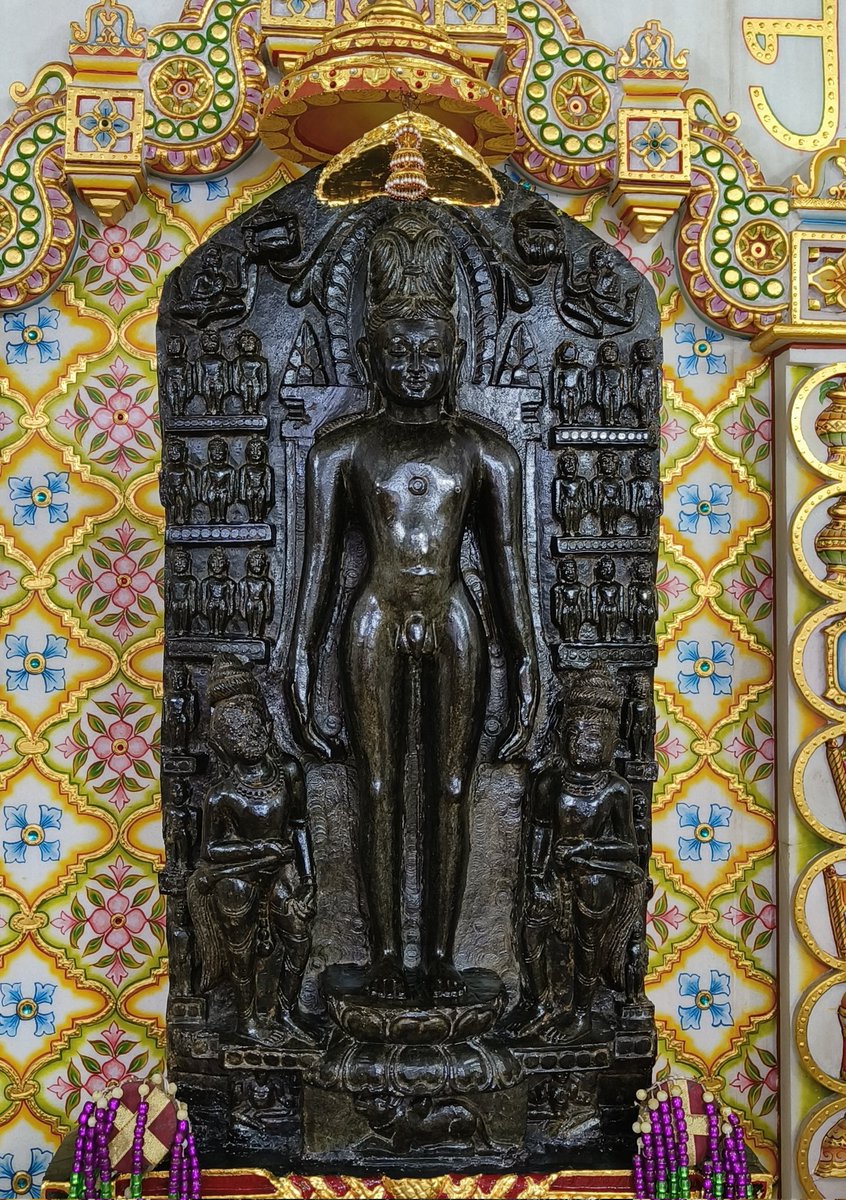
A digital sanctuary devoted to the timeless presence of Mallinath Bhagwan — the awakened one of Mithila, born of the Ikshvaku dynasty, and revered across Jain tradition as a luminous guide on the path to Kevala Jnana and Moksha.
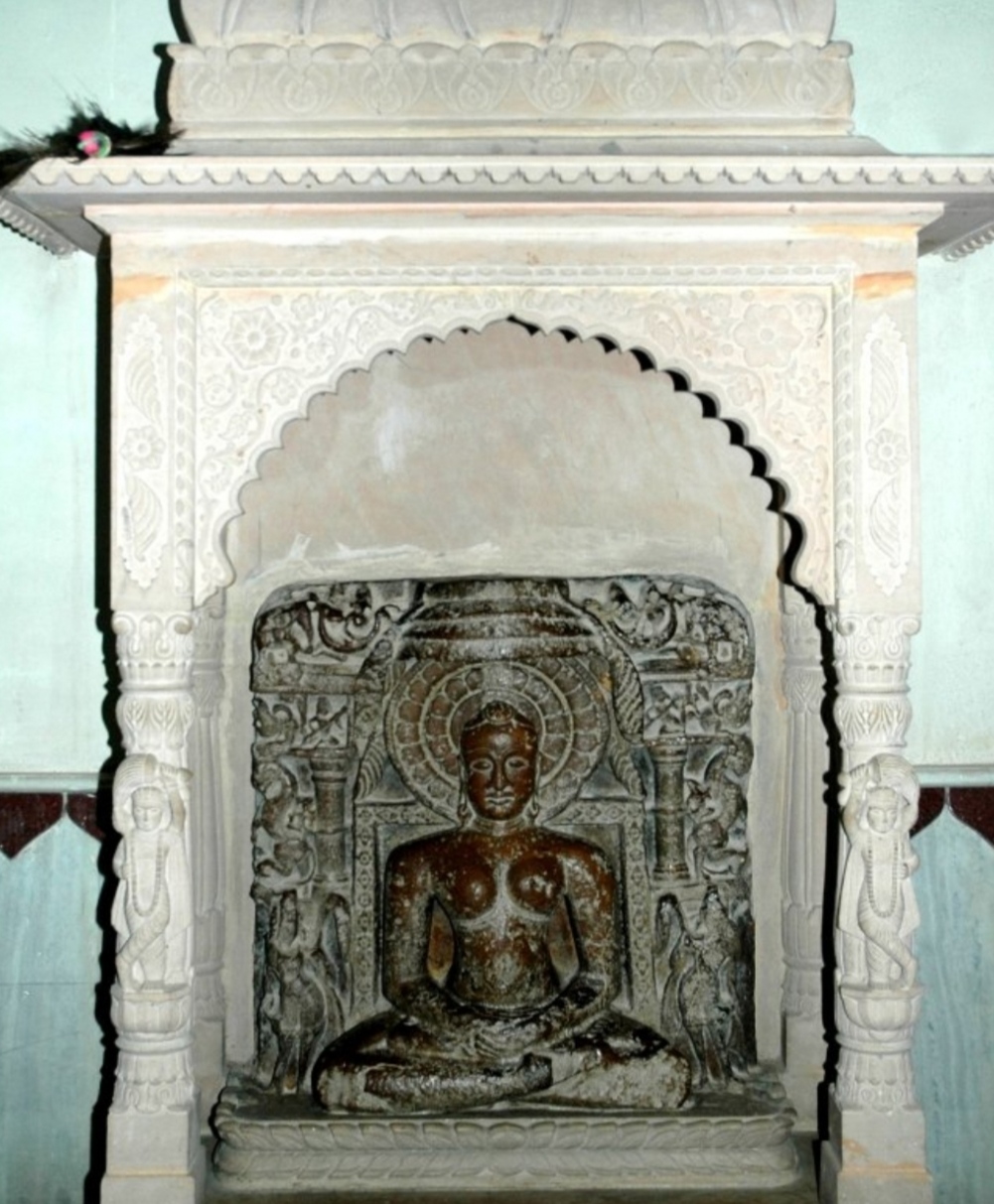
Mallinath Bhagwan is the nineteenth of the twenty-four Tirthankaras of the present cosmic age — beloved guides who have crossed the ocean of worldly existence and shown humanity the way to liberation. Born to King Kumbha and Queen Prajavati of the illustrious Ikshvaku dynasty in the sacred land of Mithila, his life is a luminous testament to detachment, purity and inner sovereignty.
Within Jain tradition, the very form of Mallinath holds profound meaning: in the Svetambara stream he is venerated as a woman who attained omniscience, while in the Digambara stream he is revered as a male ascetic. Both perspectives, held with reverence, illuminate the truth that the soul transcends every category the world places upon it.
Five eternal principles illumined by Mallinath Bhagwan — anchors of conduct, vision and inner alchemy.
Reverence for every living being — the foundation of a non-violent, awakened life.
Speech and thought rooted in truth — the inner clarity from which all virtue flows.
Mastery of the senses — channelling life-force toward higher consciousness.
Non-attachment to possessions, identities and outcomes — the heart of liberation.
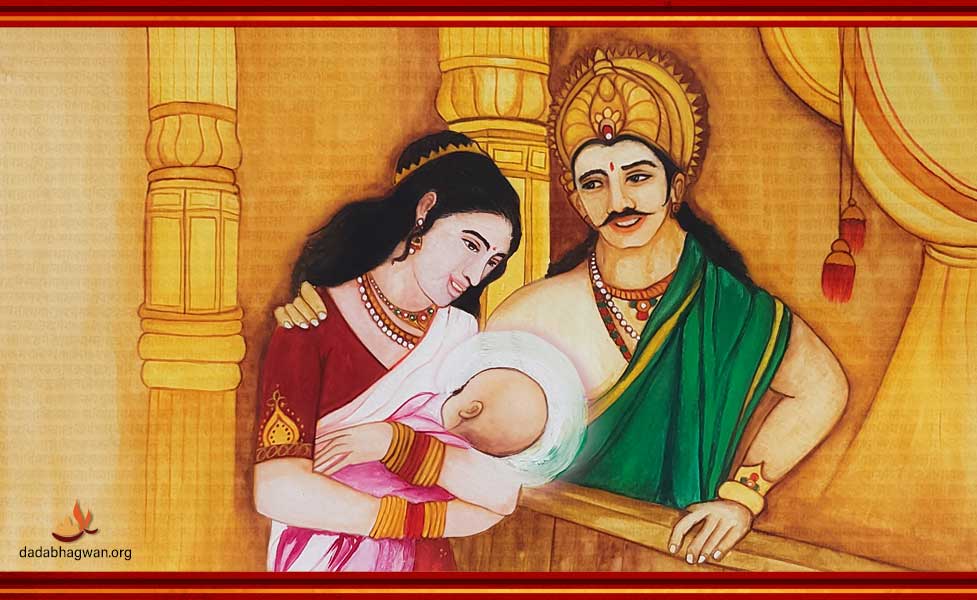
Auspicious omens are said to have surrounded the birth of Mallinath Bhagwan. Cradled in the prosperous kingdom of Mithila by King Kumbha and Queen Prajavati, he descended into a royal lineage celebrated for its dharmic kings — yet his soul carried a different sovereignty, one not bound to thrones or names.
Read the biography
Through deep tapasya and unwavering meditation, Mallinath Bhagwan severed the karmic veils that conceal the soul’s native splendour. Kevala Jnana — perfect, infinite knowledge — arose like a sun without setting, illuminating the realities of soul, matter, time and liberation in their entirety.
Walk the journey
Mallinath’s presence is uniquely cherished in Jain memory: revered as a woman in Svetambara tradition and as a male ascetic in Digambara tradition. Both streams hold his enlightenment as supreme — together affirming that liberation transcends every form and identity.
Discover heritageWealth, status and the body are all impermanent garments. The soul that sees beyond them rests in its native peace.
Let no thought, word, or deed bring harm. From this single seed grows the great tree of self-realisation.
The temple of the soul lies within. The journey home requires no map other than awareness itself.
He who has subdued the self by the self enjoys eternal peace; the world cannot disturb the soul that has discovered its own light. — A Jain reflection in the spirit of the Tirthankaras